
Redefining K-12 Spaces: How Community-Driven Design is Shaping the Future of Education

K-12 environments are evolving. Today’s schools are no longer designed solely for instruction; they are being reimagined as community anchors that support learning, wellness, and connection across all age groups.
Recent projects in Racine, Franklin, and Menomonee Falls demonstrate how districts are leveraging strategic planning, community input, and flexible design to create spaces that serve broader needs while preparing students for the future.
FROM SCHOOLS TO COMMUNITY HUBS
A common thread across these projects is the shift from single-purpose educational buildings to multi-functional community assets.
Racine Unified School District – Schulte School consolidates K4–8 students into a unified environment, improving continuity and fostering long-term relationships. Purpose-built spaces such as maker labs, technical education classrooms, and arts facilities support experiential learning and career readiness.
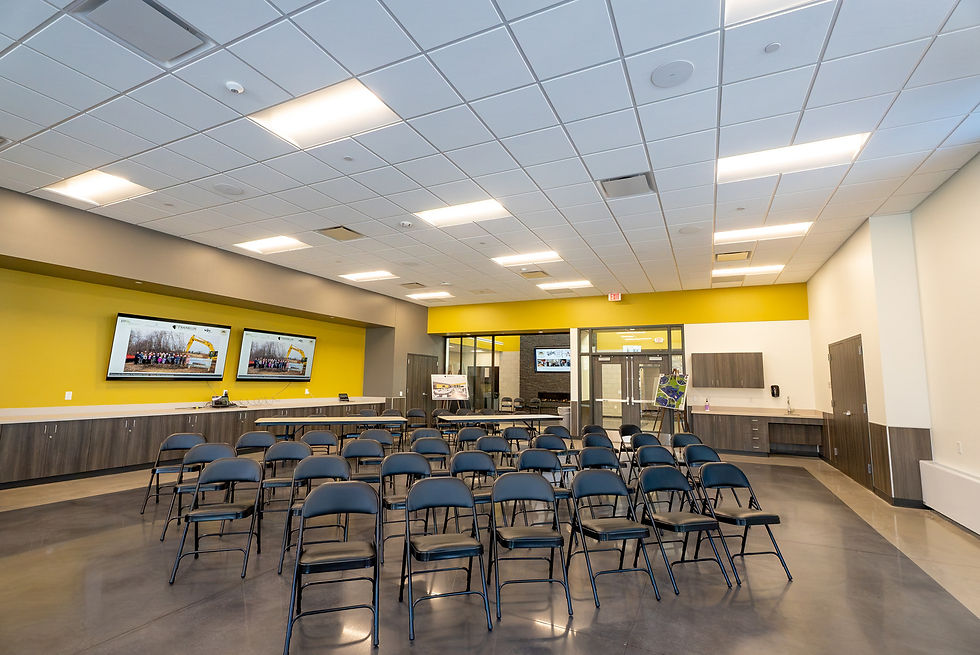
Franklin Public Schools – Community Education and Recreation Center (CERC) extends the role of a school district beyond academics, providing flexible recreation and enrichment spaces that serve youth, adults, and seniors.
School District of Menomonee Falls – Community Education and Recreation Center Expansion builds on an existing campus to meet increasing demand, reinforcing the importance of adaptable infrastructure that evolves with community needs.
These projects demonstrate a clear trend: schools are becoming destinations for lifelong learning and engagement.
PLANNING THAT STARTS WITH THE COMMUNITY
Each project is rooted in direct community input:
Referendum-driven investment supporting modern learning environments in Racine
Community needs assessments guiding programming expansion in Franklin
Capacity-driven growth and program demand are shaping the Menomonee Falls expansion
This approach ensures that facilities are aligned with real demand, resulting in higher utilization and stronger long-term value.

DESIGNING FOR FLEXIBILITY AND FUTURE GROWTH
Modern K-12 facilities must support a wide range of uses, both today and in the future.
Key strategies include:
Multi-use spaces that adapt to different programs
Shared facilities that maximize efficiency
Integrated indoor and outdoor environments
Scalable infrastructure to accommodate growth
These elements allow districts to extend the life and relevance of their investments.
SUPPORTING WELLNESS, CONNECTION, AND OUTCOMES
Beyond academics, these facilities prioritize overall well-being:
Physical health through recreation and fitness spaces
Social connection through community gathering areas
Mental well-being through inclusive, engaging environments
This holistic approach reflects a broader understanding of what drives student and community success.

The future of K-12 is not defined by buildings alone; it is defined by how those spaces serve their communities.
Projects like these illustrate what is possible when planning, design, and construction align around a shared vision: creating environments that support learning, connection, and growth for generations.
Visit our K-12 market page to see more of our experience:


